There's a version of this conversation that turns into a debate about whether no-code is 'good enough.' That's the wrong frame entirely.
No-code isn't a compromise. For the right business, at the right stage, it's the most strategically sound choice available. The question isn't whether you'd prefer it — it's whether your situation calls for it.
Sign 1 — You're Solving a Known Problem, Not a Hypothetical One
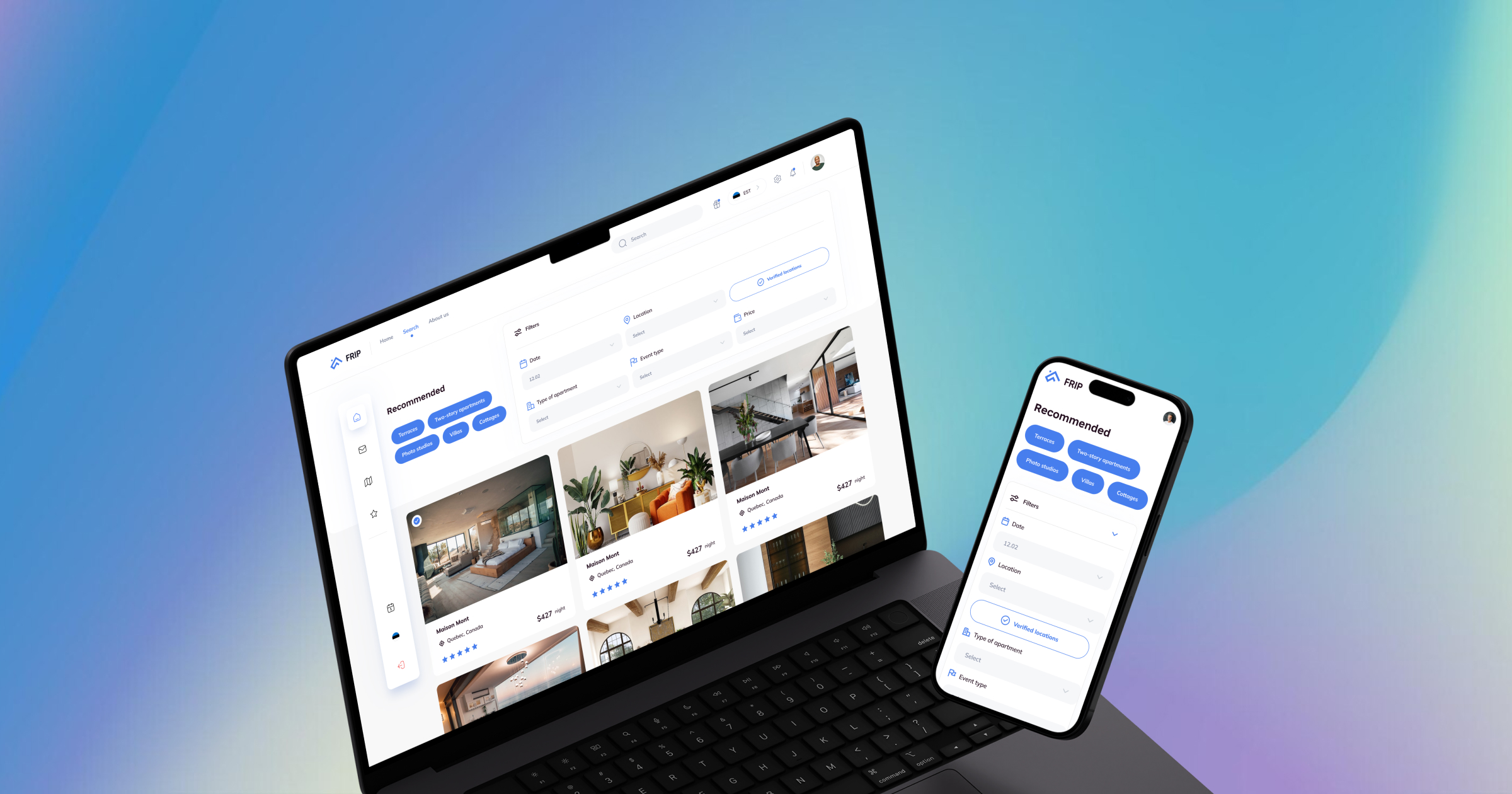
No-code development is at its best when the problem it's solving is already validated. You've talked to customers. You understand the workflow that's broken. If you can describe what your product needs to do in a half-hour conversation, no-code can almost certainly build it. No-code platforms like Bubble are built to handle the standard patterns of business software: user authentication, data storage, forms, workflows, reporting, notifications.
Sign 2 — Speed to Market Is Your Real Competitive Advantage
For the vast majority of European startups and SMEs, the competitive advantage is execution speed, customer understanding, and adaptability — not technical superiority. A Bubble application with a Supabase backend can be live in six to ten weeks. A comparable custom-code product takes three to six months minimum. More iterations means more learning. More learning means a better product. This compounds.
Sign 3 — Your Team Can't Afford to Be Stuck Waiting on Developers
No-code systems — particularly internal tools built on Bubble — can be updated by non-technical operators without touching a codebase. When automation workflows live in n8n rather than a custom codebase, the ops team can modify them. When the marketing site is built in Webstudio.is rather than a bespoke React app, the marketing team can update it. If your team is regularly blocked waiting for development resource, that's a structural problem no-code can solve.
Sign 4 — Your Core Value Isn't in Proprietary Technology
For most B2B software businesses, the competitive advantage isn't in a unique algorithm or codebase — it's in distribution, relationships, domain expertise, or workflow design. No-code lets you build the software layer fast, so you can spend your energy on the parts of the business that actually create competitive advantage.
Sign 5 — You Need to Learn Before You Build
If there's meaningful uncertainty about what your product should do, you're in discovery mode. No-code is structurally suited to this phase. Bubble lets you modify application logic without re-architecting anything. Supabase lets you change your data model if structured cleanly. n8n lets you swap automation logic without touching the application layer. No-code isn't just about building cheaper — it's about staying in learning mode longer before committing to an architecture that's hard to undo.