The build vs buy question involves trade-offs across cost, time, flexibility, vendor dependency, and strategic positioning — and the right answer changes depending on where you are in the business lifecycle. The most expensive mistakes happen when businesses apply the wrong logic for their stage.
The Core Principle: Build What Differentiates, Buy What Doesn't
The question isn't 'can we build it?' — you almost always can. The question is 'does building this create competitive advantage, or are we building a commodity already solved?' Authentication, payment processing, email delivery, document storage — these are solved problems. What creates genuine differentiation is the specific logic, workflow, and user experience unique to your business.
The Build Case
The capability is core to your competitive advantage. No existing solution fits requirements well enough. Total cost of ownership favours building: if you're paying €3,000/month for a SaaS tool and the problem could be built once for €15,000 and maintained for €200/month, the maths favour building after year one.
The Buy Case
The problem is solved and mature — CRM, accounting, HR, calendar, video conferencing. Speed is more valuable than customisation at the early stage. Your team doesn't have bandwidth to maintain a custom solution.
The No-Code Middle Ground
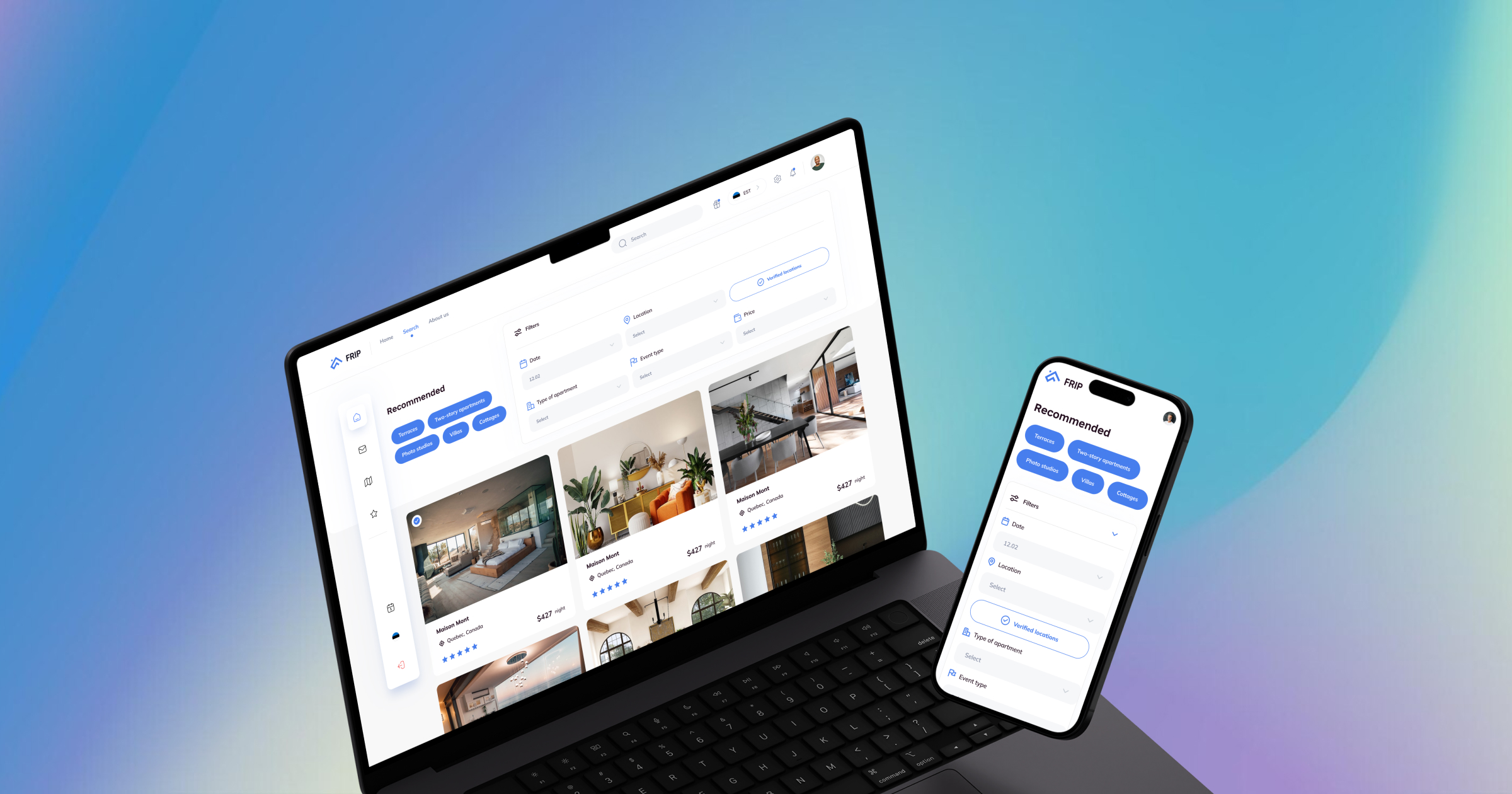
The binary framing misses an important middle option. With Bubble, you can build a custom application at a fraction of custom development cost. With n8n, you build custom automation workflows without per-operation fees. With Supabase, you get a custom data layer without building infrastructure. 'Do we build a custom client portal or buy a generic one?' is often best answered with 'we build in Bubble in six weeks for €15,000 that does exactly what we need.'
A Real-World Example: Pieter's HR Tech Startup
Pieter founded an HR onboarding platform in the Netherlands. The document management itself — storage, version control, access control — is a solved problem. Supabase handles it. The document workflow — which documents are required for which employee types, which require approval, which trigger downstream actions — is unique to his methodology. We built this in Bubble, connected to the Supabase document layer. His competitive advantage is in the workflow intelligence, not in document storage. The architecture reflects that.